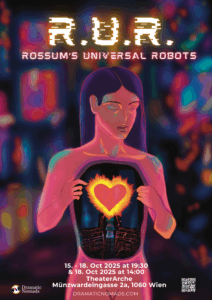
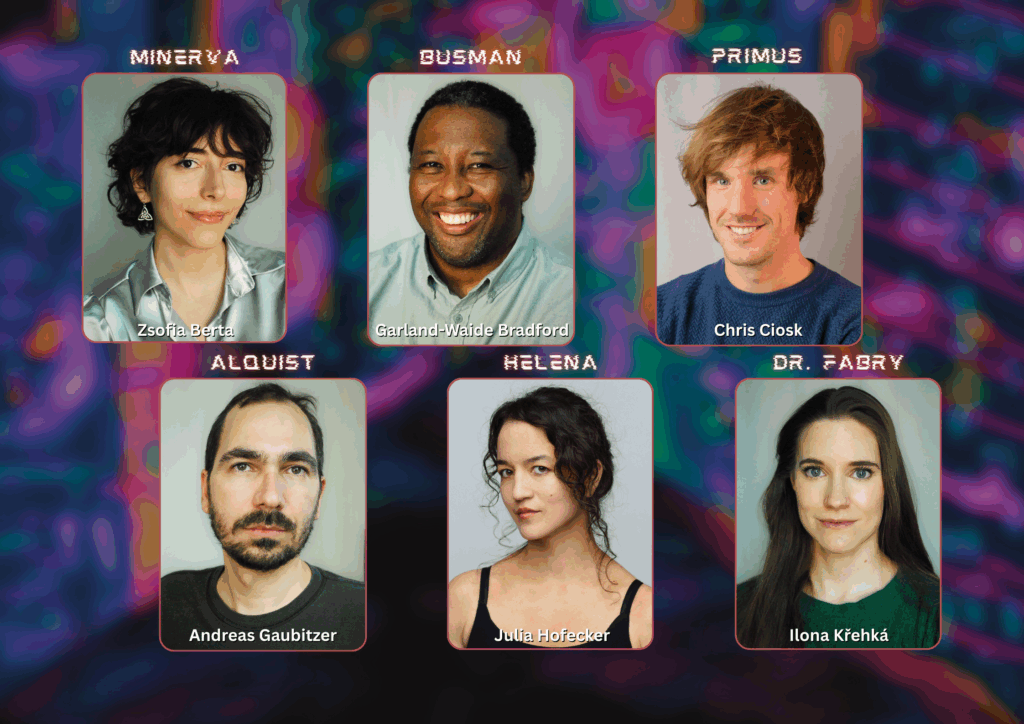
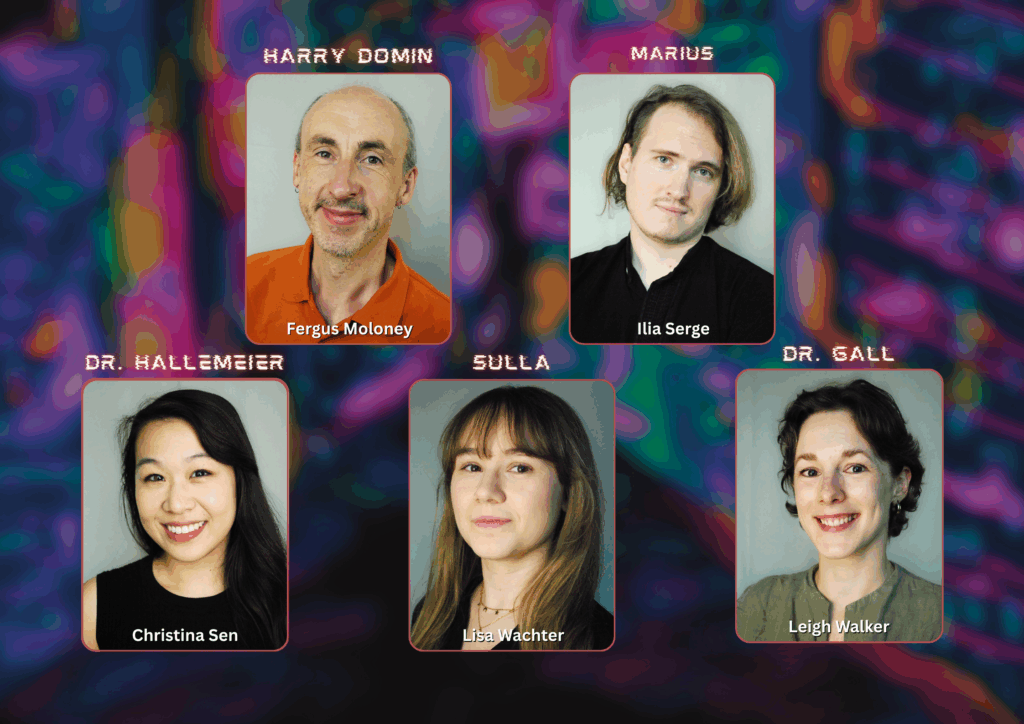
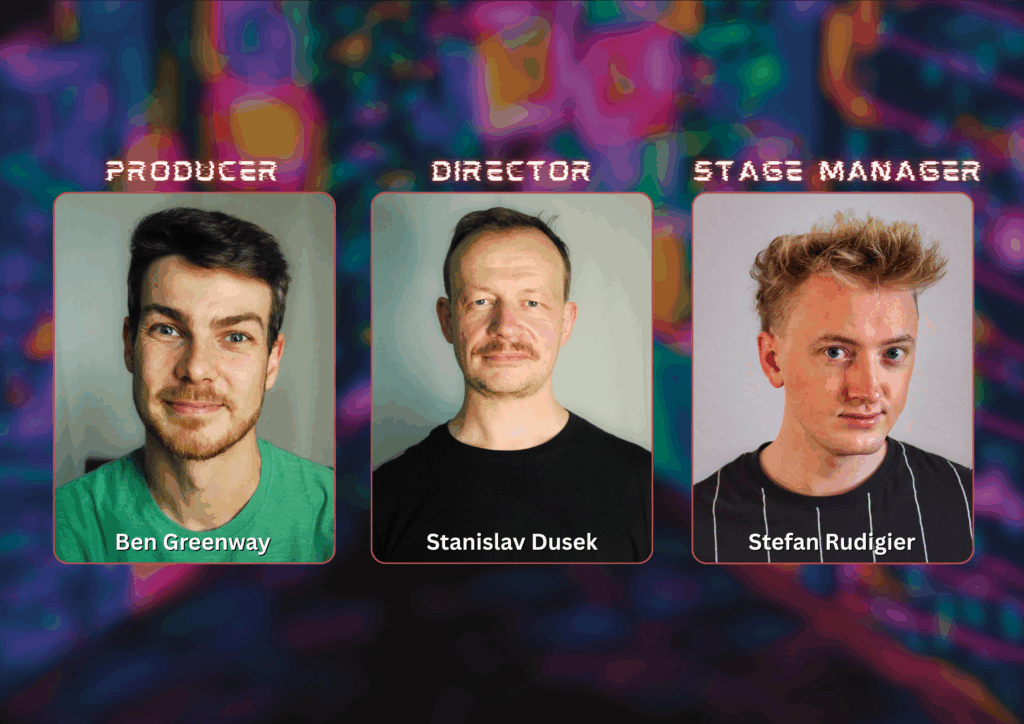
Rossum’s Universal Robots (R.U.R.) written by Karel Čapek in 1920, is a thought-provoking work of science fiction that strands the audience on the private island of Harry Domin, the general manager of R.U.R., and his team of engineers, directors and managers. Set in a version of the present where robots are made of artificial flesh and blood, they are cheap and available all over the world, essential to service and industry work. When Helena Glory, a member of the Humanity League, arrives for a factory visit, Domin is immediately entranced by her, even though Helena works for the organisation that wishes to liberate the robots, something that Domin and the team at R.U.R. find absurd.
As Helena’s influence amongst these people of science becomes stronger, R.U.R. tries to expand on the robots’ abilities and senses. The lines between robots as tools and something else start to blur as man’s creation is pushed to the limits.
Will the team at R.U.R. and Helena regret their decision that impacts further than just their little island?
When: 15th, 16th, 17th & 18th October 2025 at 19:30
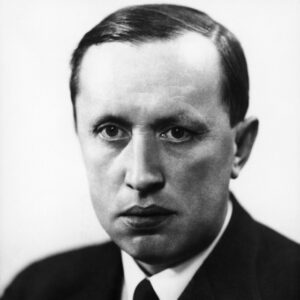
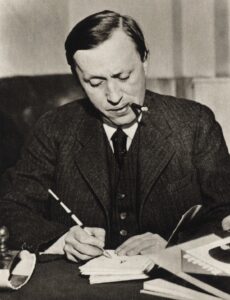
Karel Čapek (1890-1938) was a Czech writer, playwright, critic and journalist. He has become best known for his science fiction before science fiction became widely recognised as a separate genre, even introducing the word robot. He also wrote many politically charged works dealing with the social turmoil of his time. He campaigned in favour of free expression and strongly opposed the rise of both fascism and communism in Europe.
Karel Čapek wrote on a wide variety of subjects. His works are known for their precise description of reality. Čapek is renowned for his work with the Czech language.
Many of his works also discuss ethical aspects of industrial inventions and processes already anticipated in the first half of the 20th century. These include mass production, nuclear weapons and intelligent artificial beings such as robots or androids.
Čapek also expressed fear of social disasters, dictatorship, violence, the unlimited power of corporations, and greed. He tried to find hope, and a way out. From the 1930s onward his work became increasingly anti-fascist, anti-militarist, and critical of what he saw as “irrationalism”.